
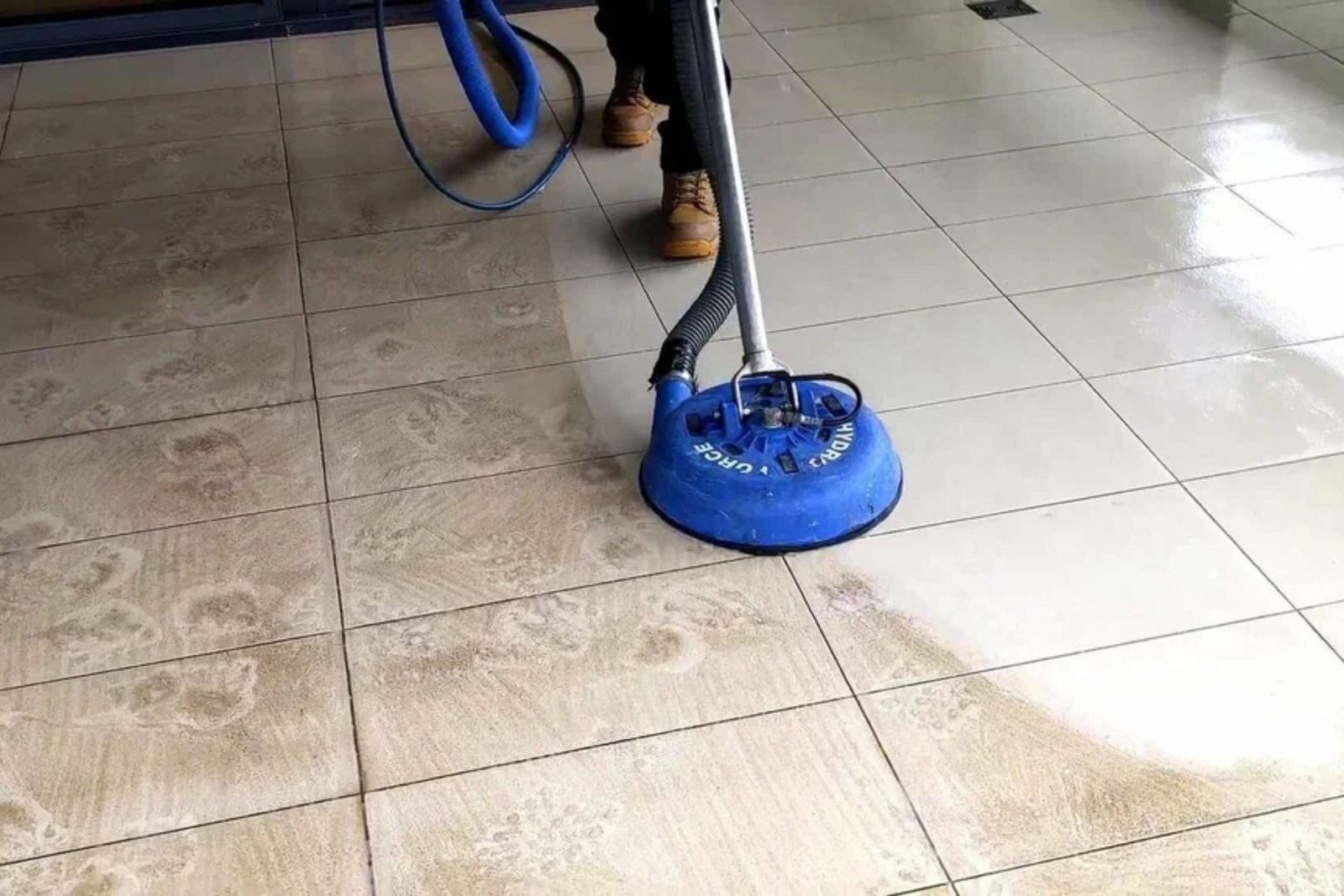
Clean tiles can make a bathroom, kitchen, or floor look fresh and well maintained, but dirty grout can quickly make the entire surface look dull. Grout lines can collect dirt, soap residue, grease, moisture, and stains over time. Regular mopping may clean the tiles, but grout often needs extra attention.
If you are wondering how to clean grout effectively, there are several DIY methods you can try at home. However, heavily stained or deeply soiled grout may require professional cleaning equipment and specialised treatment.
For Perth homeowners, understanding the difference between DIY cleaning and professional tile and grout cleaning Perth services can help determine the right approach for different situations.
Why Does Grout Get Dirty?
Grout is more porous than many tile surfaces, which means it can absorb moisture and hold onto dirt more easily. In bathrooms, grout can also be exposed to soap residue, shampoo, body oils, and constant humidity.
Kitchen grout may accumulate:
- Food particles
- Grease
- Oil
- Spills
- General dirt
Bathroom grout may develop:
- Soap scum
- Mineral deposits
- Mould and mildew
- Water stains
- General discolouration
High-traffic floor grout can also become darkened by dirt brought in from shoes.
How to Clean Grout at Home
For lightly dirty grout, a simple DIY cleaning routine may be enough.
1. Start With Regular Cleaning
Remove loose dirt and debris before applying any cleaning solution. Vacuuming or sweeping the floor first prevents dirt from turning into muddy residue during cleaning.
2. Use a Suitable Grout Cleaner
A commercially available grout cleaner can be applied according to the manufacturer’s instructions.
Always check whether the product is suitable for the specific tile and grout material before using it.
3. Scrub With a Soft Brush
A small grout brush can help loosen dirt from the grout lines. Work in small sections and avoid using excessive force.
Aggressive scrubbing can damage grout or surrounding surfaces, particularly when the grout is already deteriorated.
4. Rinse Thoroughly
After cleaning, remove any remaining cleaning solution and loosened dirt with clean water.
Leaving cleaning chemicals or residue on the surface can attract more dirt over time.
How to Clean Tile Grout With Baking Soda
Baking soda is a commonly used household cleaning ingredient. For light grout discolouration, it can be mixed with water to create a paste.
Apply the paste to the grout, allow it to sit briefly, and gently scrub with a suitable brush. Rinse the area thoroughly afterward.
This method may help with surface dirt, but it is not a guaranteed solution for deep stains, mould, or heavily contaminated grout.
Avoid mixing household cleaning products together. Some combinations can create harmful chemical reactions.
How to Remove Stains From Grout
If you want to remove stains from grout, first identify what caused the discolouration.
Different stains may require different approaches. Common causes include:
- Coffee and food spills
- Grease
- Soap residue
- Hard-water deposits
- Dirt
- Mould and mildew
- Rust
Fresh surface stains may respond well to household cleaning methods. Older stains can be more difficult because they may have penetrated into the porous grout.
If repeated DIY cleaning does not improve the appearance, professional treatment may be more appropriate.
When DIY Grout Cleaning May Not Be Enough
DIY cleaning is useful for routine maintenance, but some grout problems are difficult to address with household products.
Professional cleaning may be worth considering when:
- Grout remains dark after cleaning
- Stains have been present for a long time
- Large tiled areas need cleaning
- Grout has accumulated heavy dirt
- Bathroom grout has significant buildup
- DIY methods have produced limited results
- You want to restore heavily soiled floors
Professional cleaners have specialised equipment that can provide deeper cleaning than manual scrubbing.
What Is Professional Grout Cleaning?
Professional grout cleaning uses specialised equipment and cleaning solutions to loosen and remove accumulated dirt from grout lines.
Depending on the surface and condition, professional cleaners may use pressure-based cleaning, specialised agitation, hot water, or other appropriate techniques.
The cleaning process generally involves:
- Inspecting the tiles and grout.
- Identifying the type of dirt or staining.
- Applying an appropriate cleaning solution.
- Agitating the affected areas.
- Deep cleaning the grout.
- Removing loosened dirt and moisture.
- Allowing the surface to dry.
The exact process depends on the type of tile, grout condition, and level of contamination.
Benefits of Professional Tile and Grout Cleaning
Professional tile and grout cleaning can provide several advantages over manual cleaning.
It can help:
- Remove deeply embedded dirt
- Improve the appearance of grout
- Treat stubborn stains
- Clean larger areas more efficiently
- Reduce the need for extensive manual scrubbing
- Refresh bathroom and kitchen surfaces
Professional cleaning can be particularly useful for large homes, commercial properties, rental properties, and heavily used tiled areas.
How to Clean Grout Without Damaging It
Whether you clean grout yourself or hire a professional, using the correct approach is important.
Avoid:
- Using harsh chemicals without checking compatibility
- Mixing different cleaning products
- Scrubbing aggressively with hard tools
- Leaving acidic products on grout for too long
- Ignoring manufacturer cleaning recommendations
Different tiles and grout materials can react differently to cleaning chemicals and equipment.
When in doubt, testing a cleaning product on a small, hidden area first can help identify potential problems.
DIY vs Professional Grout Cleaning
DIY cleaning can be a practical option for small areas and light surface dirt. It is inexpensive and can be incorporated into regular household maintenance.
Professional grout cleaning, on the other hand, can be more suitable for stubborn stains, heavily soiled grout, and larger areas where manual cleaning would require significant time and effort.
The right option depends on the condition of the grout, the size of the area, and the desired cleaning result.
Tile and Grout Cleaning Perth Services
Perth homes experience everyday dust, dirt, spills, and moisture that can gradually affect tiled surfaces. Regular cleaning can help prevent excessive buildup and keep grout looking cleaner.
Professional tile and grout cleaning Perth services can be useful for:
- Bathrooms
- Kitchens
- Hallways
- Living areas
- Outdoor tiled areas
- Rental properties
- Commercial spaces
A professional assessment can help determine whether routine cleaning, deep cleaning, or additional treatment is required.
How BVC Helps With Tile and Grout Cleaning
BVC provides professional cleaning services designed to help Perth homeowners and property owners maintain cleaner tiled surfaces.
Professional grout cleaning from BVC can help address accumulated dirt, stains, and general discolouration in suitable tiled areas.
BVC can assist with:
- Tile cleaning
- Grout cleaning
- Bathroom floor cleaning
- Kitchen tile cleaning
- Stain treatment
- Deep cleaning of heavily soiled surfaces
Using appropriate cleaning methods helps protect tiled surfaces while improving their overall appearance.
Final Thoughts
Learning how to clean grout can help homeowners maintain tiled surfaces between professional cleaning appointments. For light dirt and fresh stains, simple DIY methods such as gentle brushing and suitable grout cleaners may be enough.
However, heavily stained or deeply soiled grout can be difficult to restore through household cleaning alone. Professional grout cleaning uses specialised equipment and techniques to tackle dirt and stains more thoroughly.
Whether you choose DIY cleaning or professional grout cleaning, regular maintenance can help prevent excessive buildup. For larger or heavily soiled areas, tile and grout cleaning Perth services from professionals such as BVC can provide a more efficient deep-cleaning solution.