
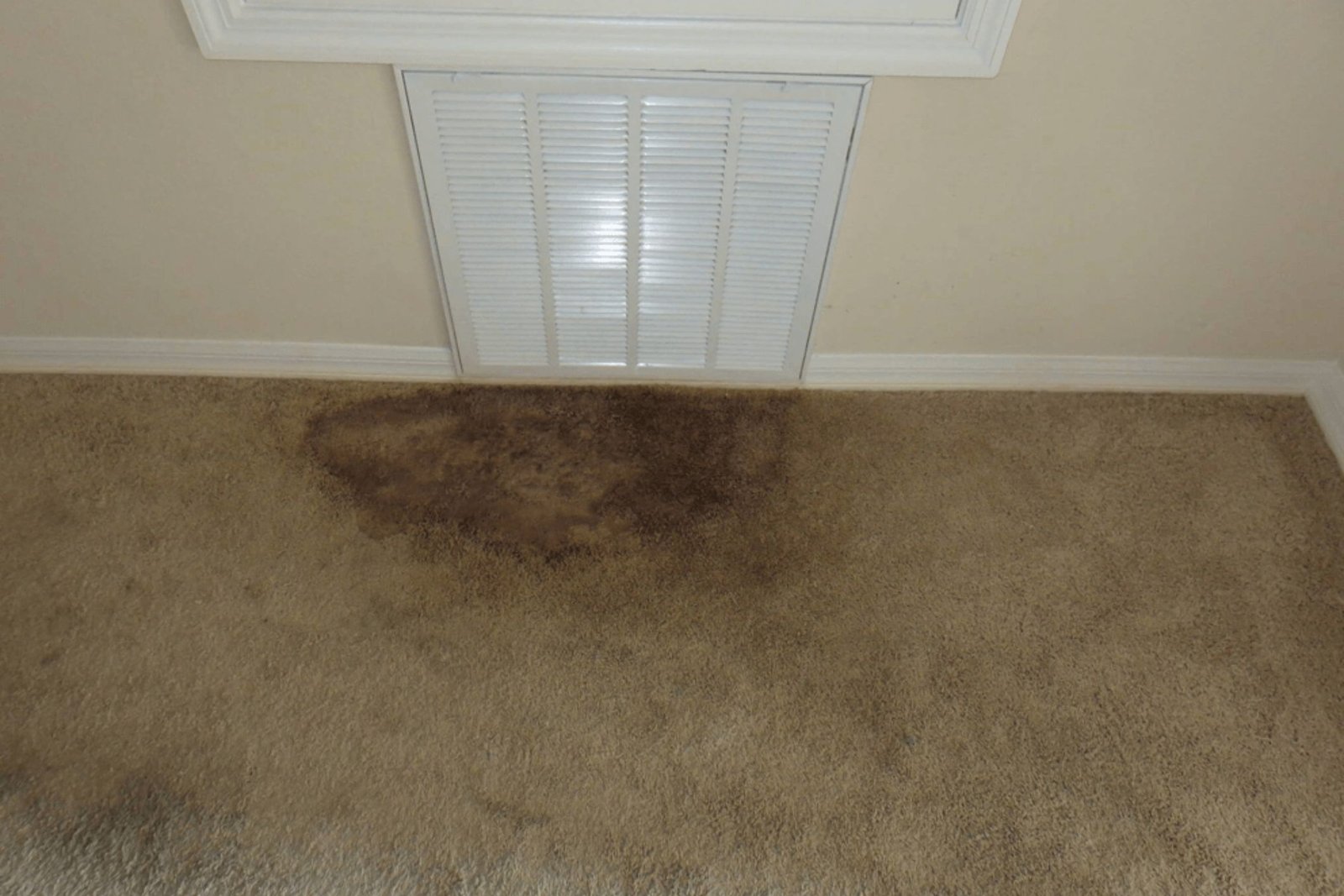
Carpet mould is more than an unpleasant-looking problem. It can develop when carpets remain damp for too long, especially after water leaks, spills, flooding, or poor ventilation. If mould is left untreated, it can spread through the carpet fibres and backing, creating a musty smell and making the carpet increasingly difficult to clean.
For Perth homeowners, understanding what causes mould in carpet, how to identify it, and when to seek professional help can make a big difference. Early action can help prevent the problem from spreading and protect carpets from further damage.
What Causes Mould in Carpet?
Mould needs moisture, warmth, and a suitable surface to grow. Carpet can provide an ideal environment when it stays damp or is exposed to high humidity for an extended period.
Common causes of mould in carpet include:
- Water leaks from pipes, roofs, or appliances
- Flooding or water damage
- Spills that are not dried properly
- High indoor humidity
- Poor airflow and ventilation
- Damp carpet under furniture
- Wet carpet that remains untreated for too long
Carpet backing and underlay can hold moisture even when the surface feels relatively dry. This hidden moisture can allow mould to continue growing underneath the carpet.
Warning Signs of Carpet Mould
Mould is not always immediately visible. Sometimes, the first indication is an unusual smell rather than a visible patch.
A persistent musty or damp odour is one of the most common warning signs. You may also notice dark, green, black, white, or grey patches appearing on the carpet. In some cases, mould can cause discolouration or changes in the texture of the carpet.
Other signs can include:
- Musty smells that return after cleaning
- Visible spots or patches on carpet
- Damp areas that do not dry properly
- Discolouration around water-damaged sections
- Mould growth underneath furniture or near walls
- Damp or stained carpet underlay
If these signs appear after water damage, it is important to investigate the source of the moisture rather than simply covering the smell with a deodoriser.
Why Does Mould Grow Under Carpet?
One reason carpet mould can be difficult to deal with is that moisture may become trapped underneath the carpet.
If water reaches the underlay or floor underneath, the upper surface may appear dry while moisture remains below. This creates a suitable environment for mould growth.
Furniture placed over damp carpet can also restrict airflow and slow down drying. Poor ventilation can make the situation worse, particularly in rooms where humidity remains high.
This is why simply cleaning the visible part of a mouldy carpet may not always solve the underlying problem.
How to Remove Mould from Carpet Safely
If you are wondering how to remove mould from carpet, the first step is to identify and stop the source of moisture. Cleaning the mould without addressing the moisture problem can allow it to return.
For a small, surface-level problem, basic cleaning and thorough drying may help. However, mould can penetrate carpet fibres, backing, and underlay, making professional treatment more appropriate in many situations.
Avoid aggressively brushing or scrubbing mouldy carpet because this can disturb mould particles and spread contamination to nearby areas.
The carpet should also be dried thoroughly after treatment. Good airflow, ventilation, and appropriate drying equipment can help reduce remaining moisture.
Carpet Mould Removal After Water Damage
Water damage is one of the most common reasons homeowners discover mould in carpet. A leaking appliance, burst pipe, overflowing bath, or flooding can leave carpets heavily saturated.
Quick action is important after water damage. The longer carpet and underlay remain wet, the greater the chance of mould developing.
Professional carpet mould removal may involve assessing the affected area, identifying moisture sources, extracting excess water, cleaning the carpet, and using suitable drying methods.
If mould has spread into the underlay or carpet backing, cleaning the surface alone may not be enough. In severe cases, affected materials may need to be removed and replaced.
Carpet Mould Treatment: When Should You Call a Professional?
Not every damp carpet requires professional mould treatment, but professional help can be useful when mould is extensive, keeps returning, or is associated with significant water damage.
Consider professional assistance when:
- Mould covers a large area
- The carpet has been exposed to flooding
- A strong musty smell remains after cleaning
- Mould keeps returning
- Moisture has reached the underlay
- The source of moisture has not been identified
- The carpet has been wet for an extended period
Professional carpet cleaning services have access to specialised equipment and cleaning methods that can be more effective than basic household cleaning.
Mouldy Carpet Cleaning: Can Professional Cleaning Help?
Mouldy carpet cleaning requires more than simply removing visible marks. The cleaning approach needs to consider the carpet fibres, backing, underlay, moisture level, and extent of the mould problem.
Professional carpet cleaning can help remove dirt, stains, odours, and contaminants from carpets. Depending on the condition of the carpet, professional cleaners may use appropriate extraction and cleaning methods followed by thorough drying.
However, severely mould-damaged carpet may not always be suitable for cleaning. If mould has deeply affected the carpet or underlay, replacement may be recommended instead.
An inspection can help determine whether cleaning or replacement is the more suitable option.
How to Prevent Mould in Carpet
Preventing moisture from remaining in carpet is one of the most effective ways to reduce the risk of mould.
After a spill, clean it promptly and make sure the affected area dries completely. Improve ventilation in rooms where humidity is high, and check for leaks around plumbing, windows, roofs, and appliances.
Regular professional carpet cleaning can also help maintain carpets by removing accumulated dirt and contaminants. However, professional cleaning should be combined with good ventilation and moisture control.
Why Choose BVC for Professional Carpet Cleaning?
BVC provides professional carpet cleaning services in Perth for homeowners and properties that need reliable carpet care. From routine carpet maintenance to carpets affected by stains, moisture, and odours, professional cleaning can help restore a cleaner and fresher environment.
When dealing with possible mould, the source of moisture should always be addressed first. BVC can help assess the condition of the carpet and provide appropriate cleaning solutions based on its condition.
For carpets affected by water damage or persistent dampness, acting early can help prevent further deterioration.
Final Thoughts
Mould in carpet should never be ignored. Damp conditions, water damage, poor ventilation, and trapped moisture can create the perfect environment for mould growth.
Knowing the warning signs can help homeowners take action early. For minor issues, proper drying and cleaning may be enough, while extensive or recurring mould may require professional assessment and treatment.
If your carpet has developed a musty smell, visible mould, or signs of water damage, professional carpet mould removal can help determine the most suitable way to deal with the problem and protect the carpet from further damage.